
Your roof could be failing right now — and you’d have no idea.
That small crack near a flashing joint, the shingle lifting at the corner, the gutter pulling slightly away from the fascia — these are the quiet early warnings most homeowners walk past every day. You only notice them when a water stain appears on the ceiling or a leak shows up during a storm. By then, a problem that was simple to fix has turned into something much bigger.
This guide covers exactly why the importance of regular roof maintenance deserves more attention than most people give it, what a solid maintenance routine actually looks like, and how consistent care can add 15 or more years to your roof’s life. If protecting your home matters to you, keep reading.

Your roof isn’t just shingles and nails. It’s a layered system — decking, underlayment, flashing, ventilation, gutters — all working together to keep moisture, wind, and temperature extremes out of your home. When one part of that system weakens, the rest starts to follow.
That’s exactly why preventive care solutions that extend roof life and reduce unexpected failures exist — not to react to damage, but to stay ahead of it. Through scheduled inspections and targeted maintenance services, structural integrity is preserved before problems have a chance to take hold.
Why does regular roof maintenance matter?
The bottom line: Preventive roof care isn’t an extra expense — it’s one of the most reliable ways to protect the home you’ve invested in.
Want to know what our maintenance services cover? Explore Our Roofing Services →
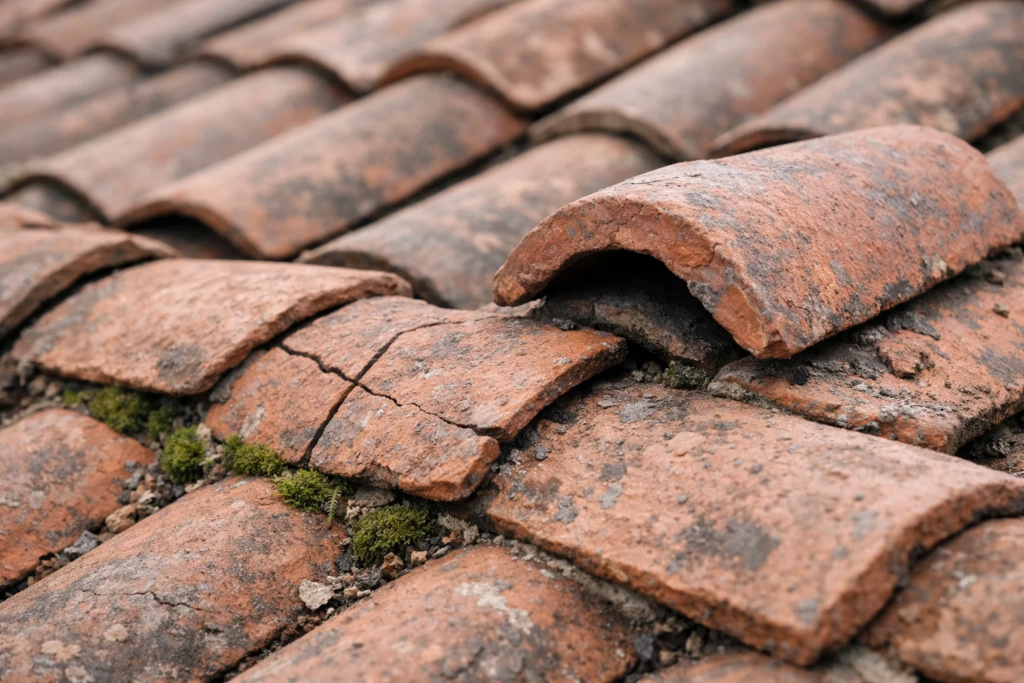
Here’s where the real-world consequences become hard to ignore.
Picture coming home after a week away to find a spreading brown stain on your bedroom ceiling. A contractor comes out and tells you it’s a failed pipe boot flashing — a small rubber seal around a roof vent. It let water into the attic slowly, for months, completely out of sight. By the time you noticed, the damage had already spread to the sheathing, insulation, and drywall.
This isn’t an unusual story. It’s what deferred maintenance looks like in practice, and it plays out in homes across the country every single year.
What damage can a neglected roof cause?
Each stage makes the next one worse. And almost all of it starts somewhere you’d never think to look — inside walls, under shingles, in the attic.
The NRCA and the Insurance Institute for Business & Home Safety (IBHS) both recommend the following as a baseline:
| Maintenance Task | Frequency |
|---|---|
| Professional roof inspection | 2× per year (spring & fall) |
| Gutter cleaning | 2–4× per year |
| Shingle visual check (DIY safe) | After every major storm |
| Moss/algae treatment | Every 2–3 years as needed |
| Attic moisture and ventilation audit | Once per year |
| Flashing and sealant inspection | Once per year |
| Roof cleaning (low-pressure wash) | Every 2–3 years |
One practical tip: Get your fall inspection done before November so any issues can be repaired before winter. Freeze-thaw cycles are one of the biggest accelerators of shingle and flashing damage — and they’re completely avoidable if problems are caught in time.
A well-structured maintenance program covers four core areas — each one addressing a specific way roofs deteriorate over time.
Scheduled Roof Inspections This is the foundation of everything else. A professional inspection done twice a year — spring and fall — gives you a reliable picture of how your roof is performing. Look for contractors certified by the NRCA, or those holding credentials like GAF Master Elite or CertainTeed SELECT ShingleMaster. An inspection covers shingles, flashings, attic ventilation, and every vulnerable junction point on the roof.
Preventive Maintenance Planning A single visit isn’t a plan. Preventive maintenance planning means building a consistent schedule around your specific roof — its age, material, local climate, and history. It turns roof care from something reactive into something managed, so you’re never caught off guard by a problem that had been building for months.
Debris Removal and Surface Cleaning Leaves, branches, moss, algae, and built-up grime don’t just look bad — they hold moisture against the surface and accelerate deterioration. Regular debris removal and surface cleaning using low-pressure soft-wash methods keeps the roof dry, clear, and performing the way it should. Gutters get the same attention — clogged downspouts are one of the most overlooked causes of fascia rot and water intrusion.
Early Damage Detection and Reporting This is where maintenance earns its value most clearly. Finding a cracked flashing seal, a lifting shingle edge, or early moss growth during a routine visit means addressing it before it becomes something much larger. Early damage detection and reporting — with written documentation and photos — gives homeowners a clear record of their roof’s condition over time, which matters for insurance, resale, and simply knowing where things stand.
Want to see the quality of our past roofing work? Browse Our Project Gallery →
Get Your Preventive Maintenance Plan →
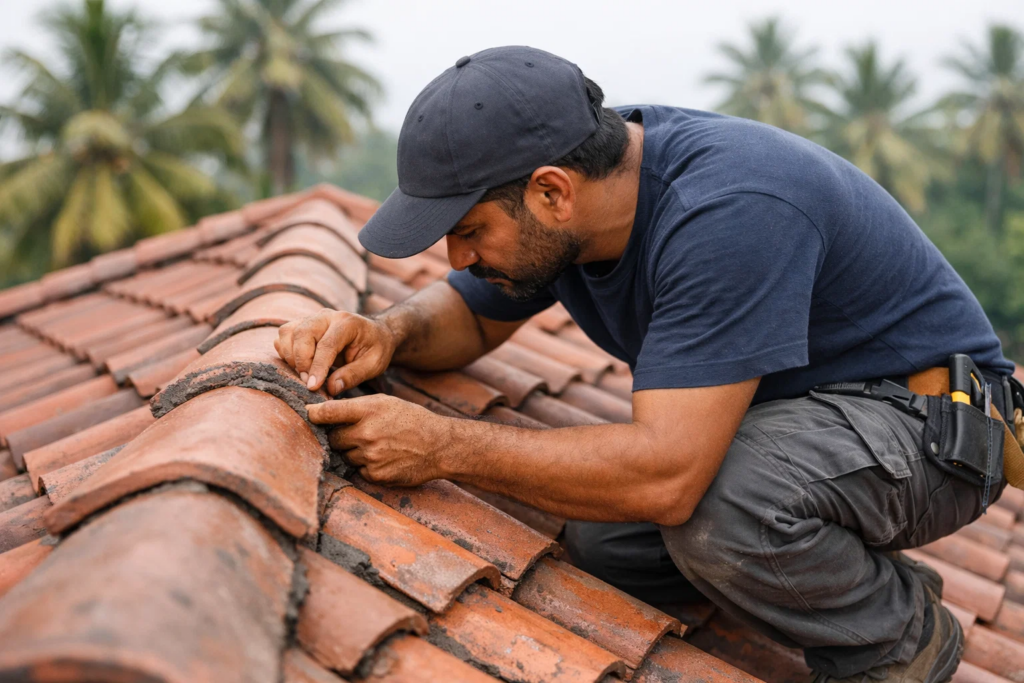
Even homeowners who are trying to do the right thing sometimes end up making things worse. These are the five most common errors — and what to do instead.
Mistake 1: Pressure washing the roof. A high-pressure hose strips granules from asphalt shingles almost as fast as physical abrasion would. The right method is a soft-wash system — low pressure, paired with a biodegradable algae-killing solution that does the work without the damage.
Mistake 2: Laying new shingles over old ones. Reroofing over an existing layer saves time short-term but traps moisture underneath, adds structural weight, and covers up problems that should have been addressed. Most building codes permit only one overlay, and for good reason.
Mistake 3: Using the wrong repair materials. Interior caulk, mismatched shingles, or standard roofing tar used as a permanent fix will expand and contract at different rates than the surrounding materials — creating new gaps and leaks within a single weather season.
Mistake 4: Skipping the attic entirely. The attic is essentially a live diagnostic tool for your roof’s health. Moisture staining, insulation damage, and ventilation failures all show up there first — often weeks or months before any visible exterior sign appears.
Mistake 5: Waiting until you see interior damage. By the time a water stain appears on a ceiling, the moisture has already been present in the structure for a long time. Exterior symptoms always trail interior damage. Acting on small exterior findings early is always better than reacting to interior ones later.
The difference between catching a problem early and catching it late isn’t just about the size of the repair — it’s about how much of your home gets pulled into the damage.
A small flashing gap found during a routine inspection might take a contractor an hour to reseal. That same gap, left for a full winter, can allow enough moisture into the attic to affect the sheathing, insulation, and eventually the ceiling below it. The repair becomes a multi-trade job involving a roofer, an insulation contractor, and potentially a drywall crew.
Regular maintenance doesn’t just fix things. It keeps small things from becoming large ones.
The most effective approach homeowners can take is simple: treat the roof like any other mechanical system in the home. You service your HVAC, you change the filters, you don’t wait for it to stop working before you pay attention. A roof deserves exactly the same logic.
A roof is one of the first things a buyer, appraiser, or insurance underwriter looks at — and it influences how they see everything else about the property.
Remodeling Magazine’s annual Cost vs. Value Report consistently shows roofing condition as a significant factor in home resale value. But a roof that’s been properly maintained and doesn’t need replacing preserves value that’s already there — without requiring a major project at all.
From the perspective of everyone who interacts with your home:
A well-maintained roof isn’t just a structural element. It’s a sign that the whole house has been looked after — and that matters to everyone who has a stake in it.
Most roofing experts and the NRCA recommend professional inspections twice a year — once in spring after the stress of winter, and once in fall before temperatures drop. A quick check after any major storm with high winds, hail, or heavy snow is also a smart habit to build in.
A typical visit covers a full shingle inspection, flashing integrity check, gutter cleaning and downspout test, attic ventilation assessment, moss or algae treatment if needed, and a written report with photos. Many contractors also handle minor sealant repairs as part of the service visit.
Watch for dark water stains on interior ceilings or walls, missing or visibly curled shingles, granules collecting in your gutters, any sagging in the roofline, visible daylight coming through in the attic, or gutters that have started pulling away from the fascia. Any of these warrants a professional look.
Generally, no. Most policies cover sudden, accidental damage — like a storm or hail strike — but specifically exclude gradual deterioration and deferred maintenance. Keeping a documented maintenance record isn’t just good practice; it’s often what separates a covered claim from a denied one.
Late spring and early fall are the ideal windows. Spring addresses any damage left by winter freeze-thaw cycles, while fall gets the roof ready for the cold ahead. Avoid scheduling work during extreme heat or when frost is expected — both affect how materials perform during the job.
Clearing gutters and doing a visual check from the ground are reasonable DIY tasks. But walking on the roof, evaluating flashing, or making any repairs should always involve a certified professional. Roof falls are among the most common causes of serious home-related injuries — the risk simply isn’t worth it.
Because what happens in the attic directly affects how your roof performs above it. Poor ventilation causes heat and moisture to build up inside, which breaks down shingles from the underside and accelerates wear in ways no exterior inspection will catch. A healthy attic is part of a healthy roof.
Yes — metal roofs are more durable than most roofing types, but they still need regular attention. Maintenance typically includes checking for loose fasteners, inspecting sealants around penetrations and seams, clearing debris from valleys and gutters, and watching for surface rust or coating wear. Without occasional upkeep, even a metal roof can develop leaks at joints or around flashing over time.
Roof maintenance isn’t something you do when something looks wrong. It’s something you do so things don’t go wrong in the first place.
The evidence from roofing professionals, insurance providers, and real estate data all points in the same direction: roofs that are actively maintained last longer, hold value better, and avoid the kind of damage that disrupts your home and your life. The routine itself isn’t complicated — it just has to be consistent.
A few things worth remembering from this guide:
Your roof works every single day to keep your home safe and dry. A little consistent attention is the most straightforward way to make sure it can keep doing that job.
Most roof problems don’t announce themselves — they build quietly until the damage is already done. The good news is that with the right maintenance routine in place, you can stay well ahead of that.
Our team provides scheduled roof inspections, preventive maintenance planning, debris removal and surface cleaning, and early damage detection so your roof stays in the best possible condition — season after season.
Don’t wait for a leak to take action. Schedule Your Roof Inspection Today →